

NEWBORN · SAFETY · LONDON
Newborn Photography Safety
A parent’s guide to how safe newborn sessions are run - the poses, the room, the handling, and the questions worth asking.
Every session of two hours or more includes a private, password-protected 3D virtual gallery you can share with family — free for two years, with a new floor for each shoot.
★ 5.0 on Google from 21 client reviews · 15 five-star reviews on Trustpilot


Joy or Annie will call you back within one working day — a ten-minute chat, no obligation.
Safety is the part of the session you should never have to think about.
Most parents booking a newborn shoot are thinking about wraps and colours. The things that actually matter happen quietly in the background - how warm the room is, who has a hand on your baby, and which of the poses you have seen online are not what they appear to be. This guide sets out what safe newborn photography looks like, so you can recognise it when you see it. Baby safety is the top priority in every newborn photography session we run, and it should be in any you book.
Quick Answers
Newborn Photography Safety at a Glance
Do I get a 3D virtual gallery with my session?
Yes - every Opus Lumière session of two hours or more includes The Growing Gallery, a private, password-protected 3D gallery of your finished photographs that you walk through and share with family. It is free for two years and gains a floor with every shoot. One-hour and 1.5-hour sessions don’t include it.
Is newborn photography safe?
Yes, when the photographer works baby-led, keeps the room warm, and never places a baby anywhere they are not supported. The risk in newborn photography comes almost entirely from attempting poses that need support the photographer is not providing.
Are those posed newborn photos real?
Many are composite images. The best-known poses - the baby resting their chin on their hands, or apparently suspended in a hammock - are two or more photographs merged afterwards, with an adult supporting the baby in each frame.
Should someone always be touching the baby?
Yes, whenever the baby is on a prop, at any height, or in any pose they could not hold themselves. A hand stays on or immediately beside the baby at all times.
How warm should the room be?
Warm enough that an unclothed newborn is comfortable, which is considerably warmer than adults find pleasant. We keep a thermometer in the room and work to it rather than guessing.
What if my baby will not settle?
Then we stop and wait. Sessions are booked long precisely so that feeding, settling and starting again are part of the plan rather than an interruption.
When is the best time for a newborn session?
Between about 5 and 14 days old, when babies are sleepiest and most easily settled - which is also when the gentler poses are achievable without any coaxing.
The principle
What newborn photography safety actually means
Safe newborn photography rests on one idea: the baby is never asked to do anything they cannot do. Newborn babies have almost no head control and cannot signal discomfort the way an older baby can, so every position they are placed in has to be one they are fully supported in - supporting baby’s head and body, by hands or by something shaped to hold them. It is also built into The FOCUS Method : Calm Capture keeps every session unhurried and baby-led.
That principle rules out a surprising amount of what circulates online. It does not rule out beautiful images - it changes how they are made. The photographs still happen; the support simply stays in place and is dealt with afterwards.
The second idea is that the baby sets the pace, and we never force a pose. A session that runs to a shot list will, sooner or later, involve persuading a newborn into something they are resisting. A session that runs to the baby produces better photographs anyway, because a settled baby looks settled.
Composites
Safe newborn posing: the poses that are not what they look like
The image most people have in mind when they book a newborn shoot is the one where the baby appears to be resting their chin on their own hands, elbows tucked beneath them. It is often called the froggy pose, and it is almost always a composite. It is photographed twice - once with an adult supporting the head, once with an adult supporting the wrists - and the two frames are merged so that neither pair of hands appears in the final picture.
The same is true of babies apparently suspended in a hammock, or balanced in a bucket or crate. In every safe version of those photographs an adult is holding the baby or the prop, and the supporting hands are removed in editing. The prop is not bearing the weight.
This matters when you are choosing a photographer, because the alternative to compositing is not a different technique - it is attempting the pose for real. If a portfolio is full of poses like these, it is entirely reasonable to ask how they were made. A photographer who works this way will tell you without hesitation, because it is a point of pride rather than a trade secret.
Portfolio
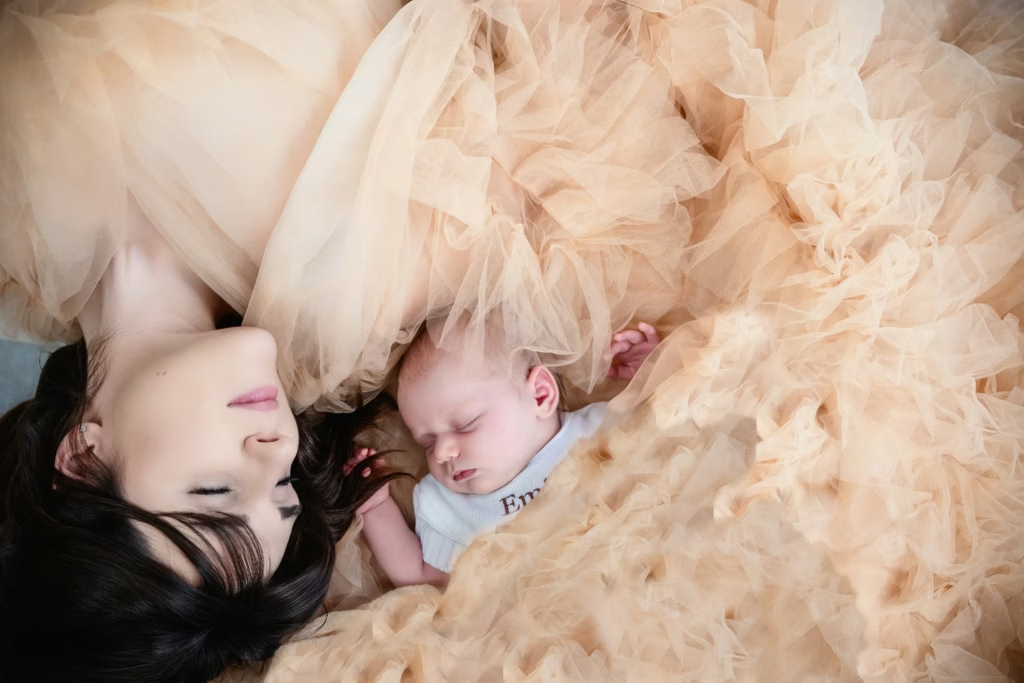
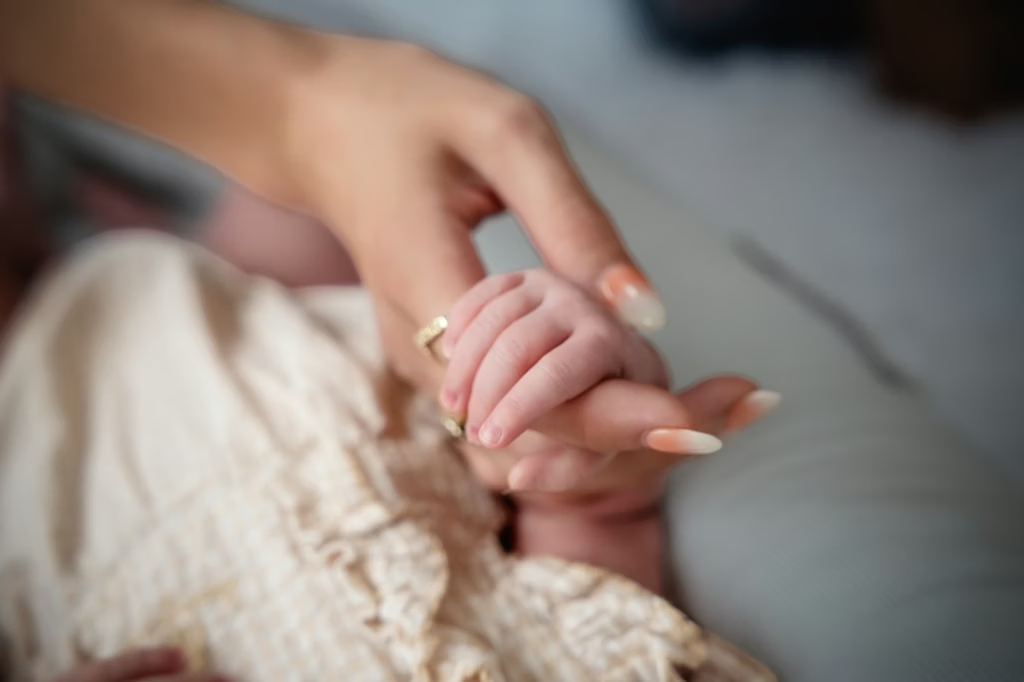
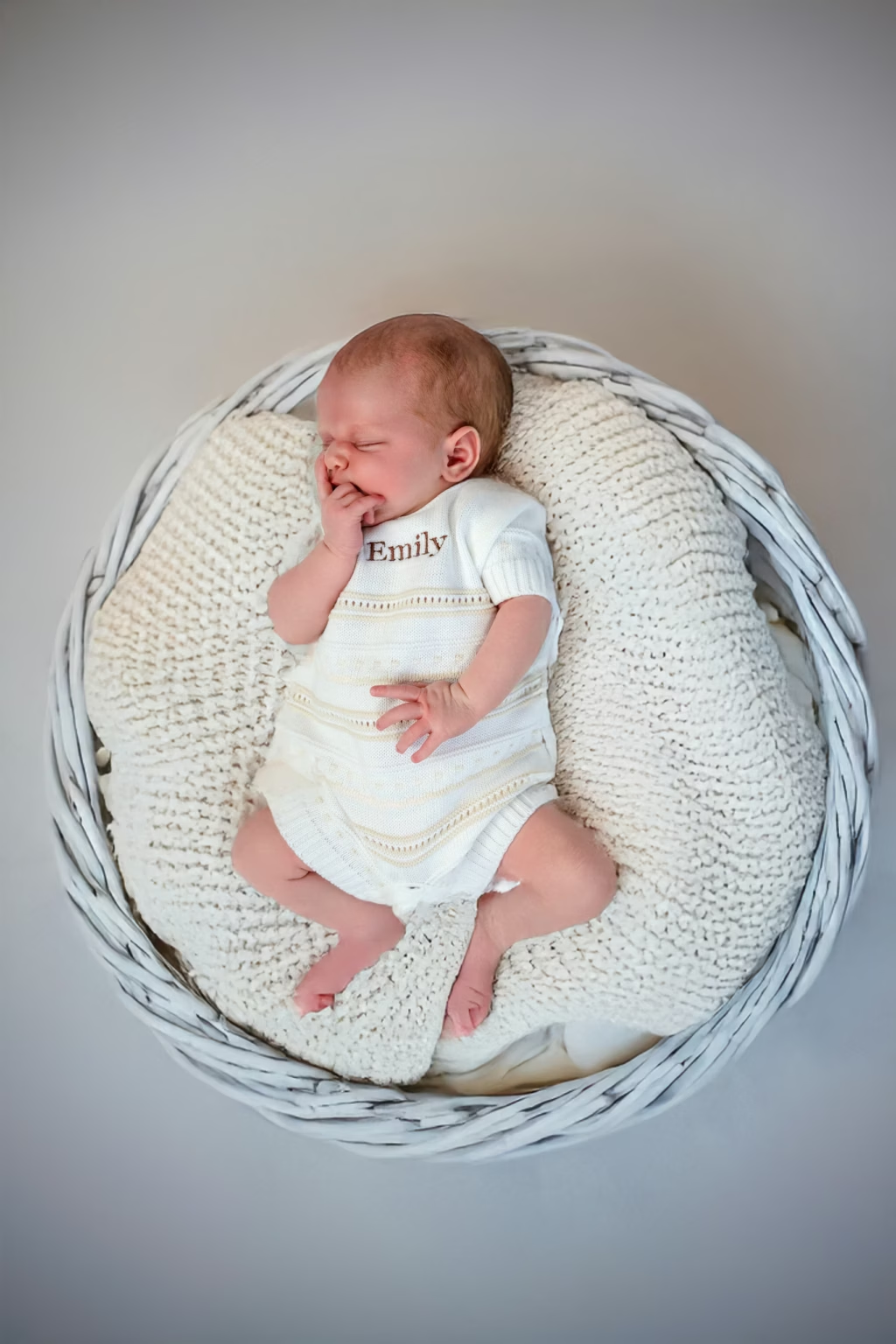
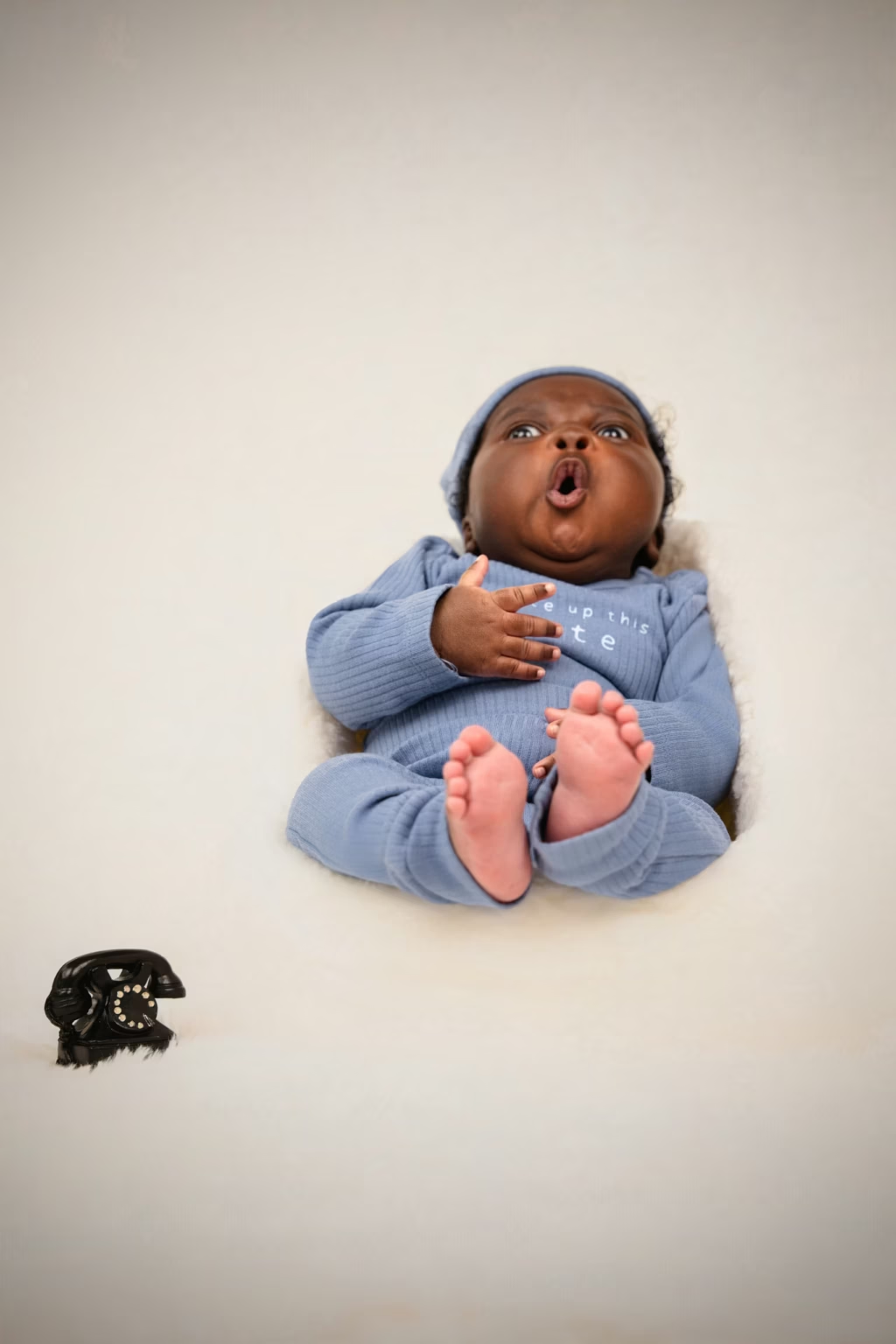
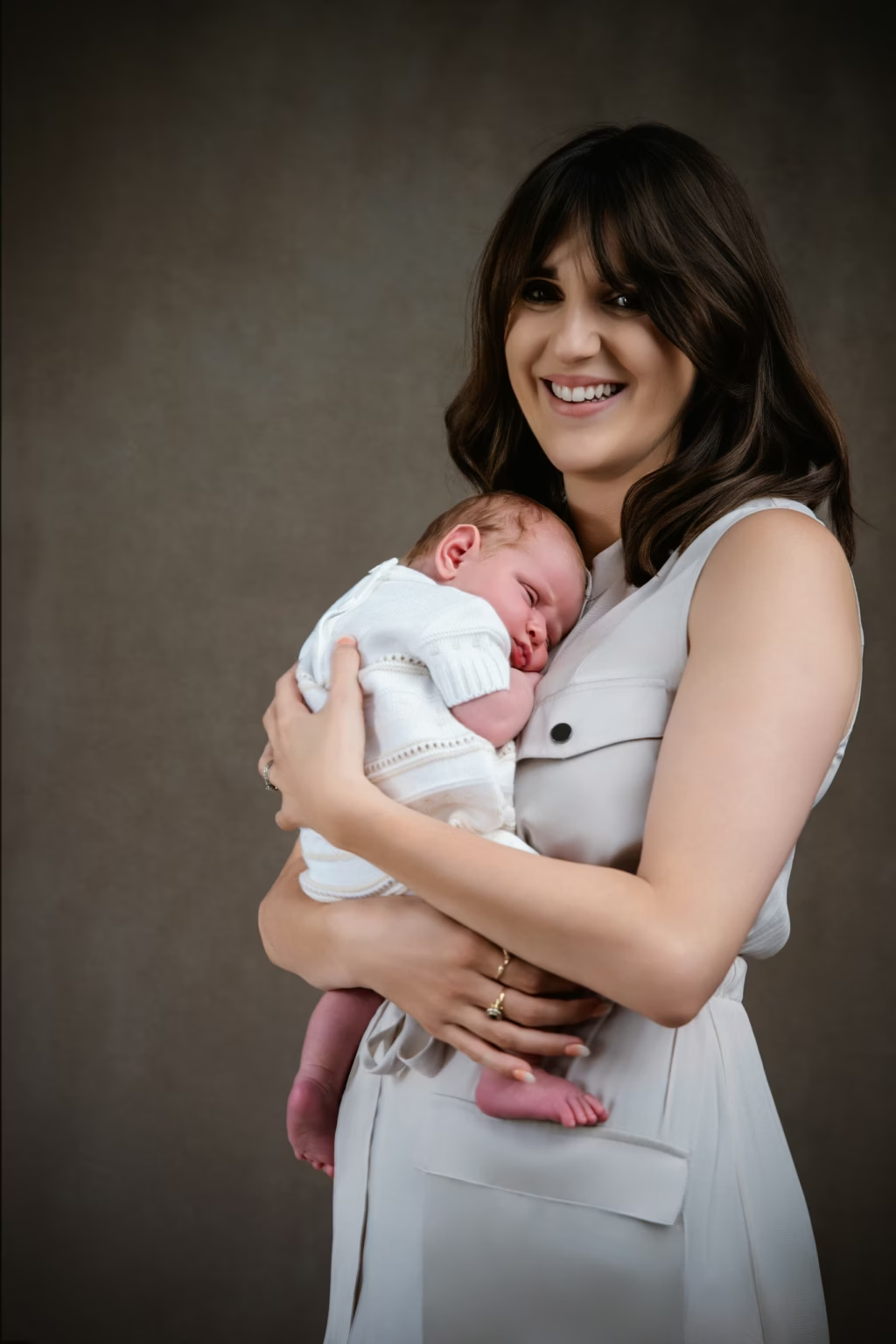
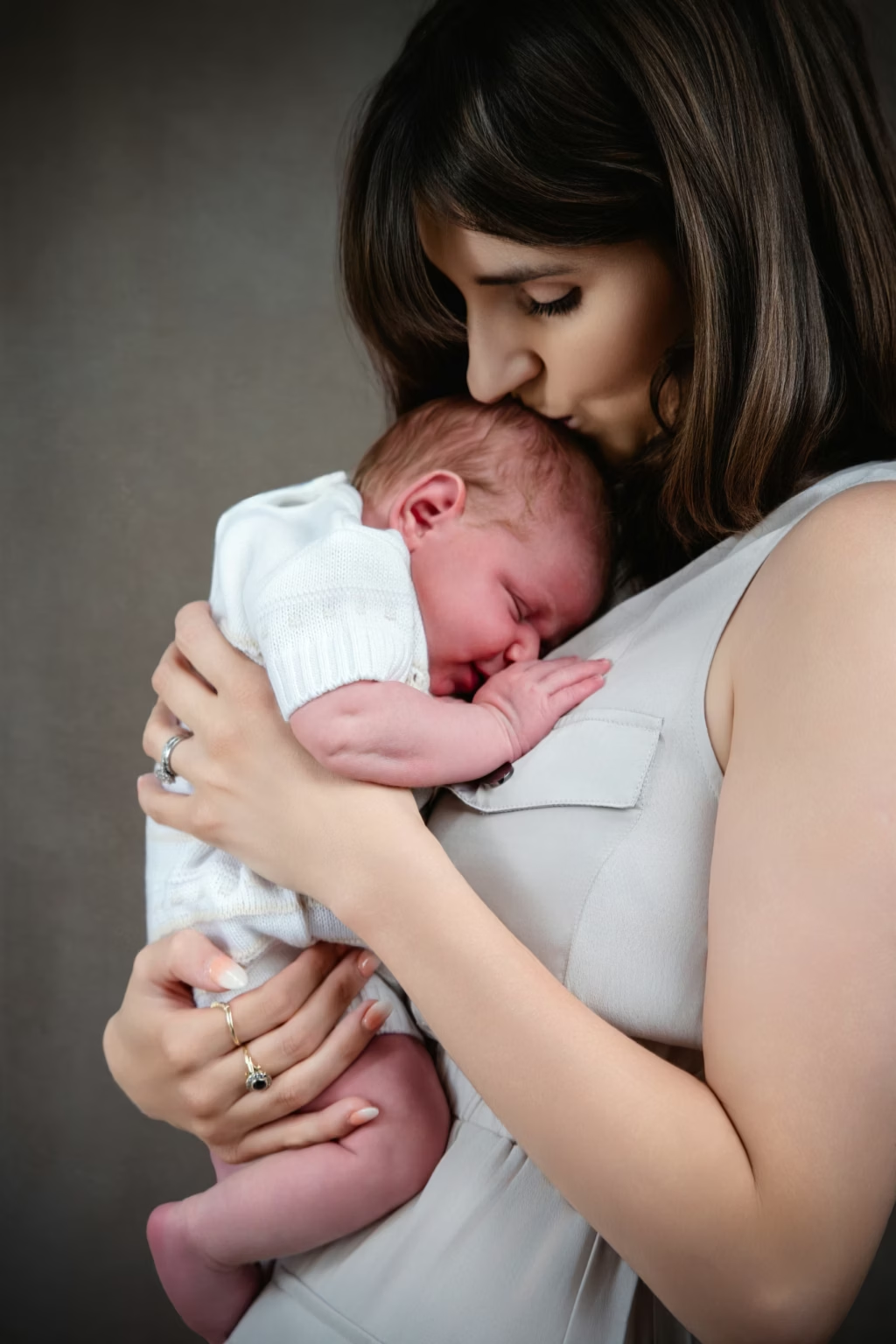
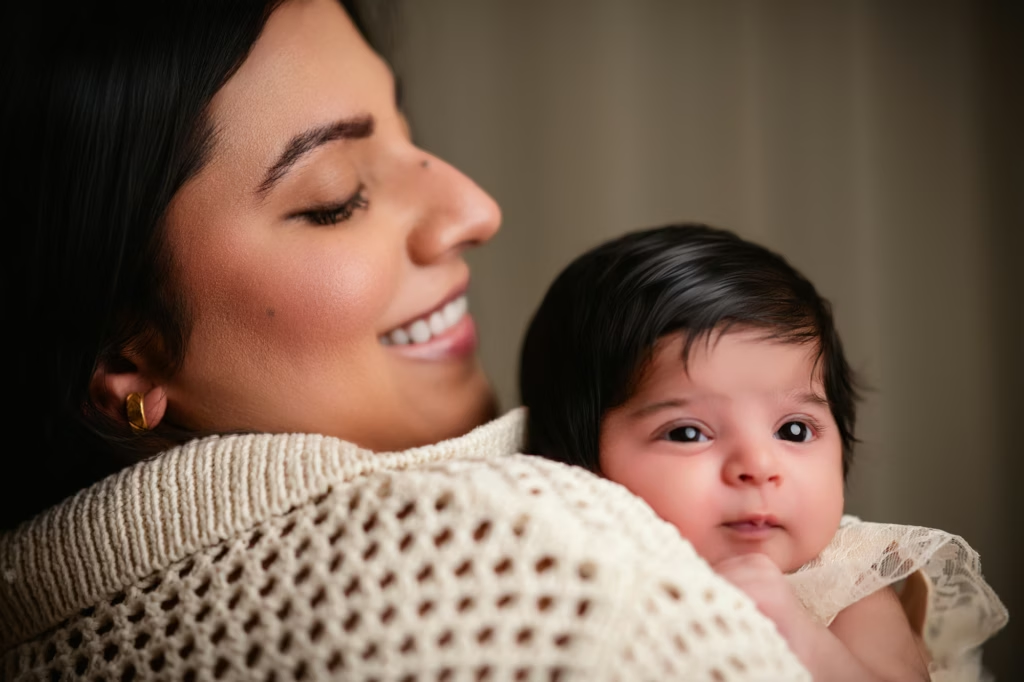
Recent studio newborn sessions
Gentle, professionally lit images of newborns in a London hire studio - soft light, real moments, tiny details.
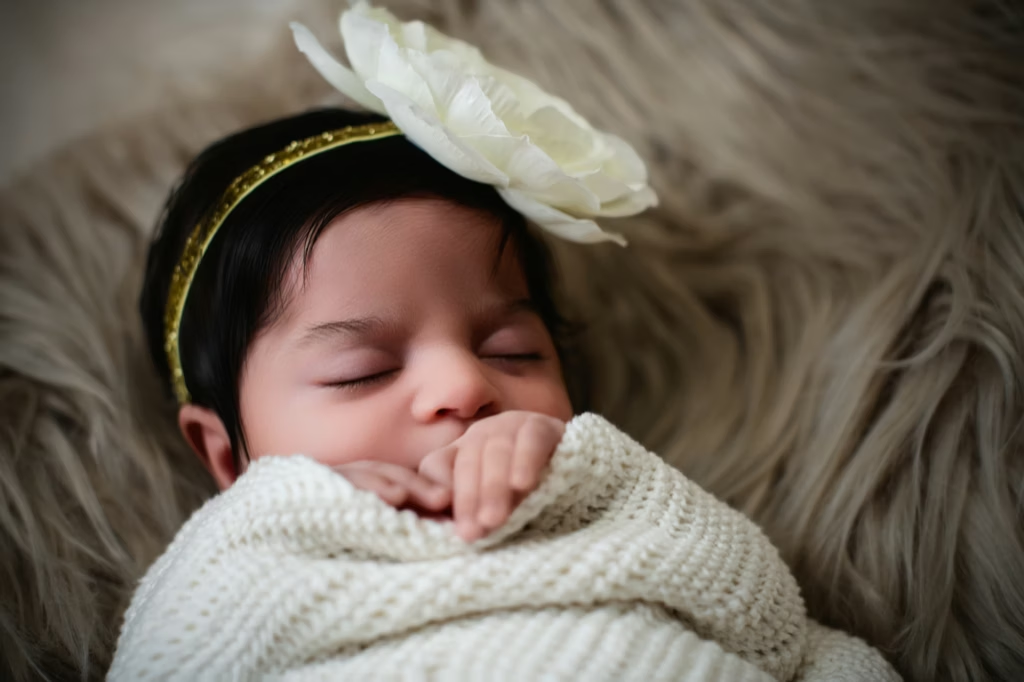
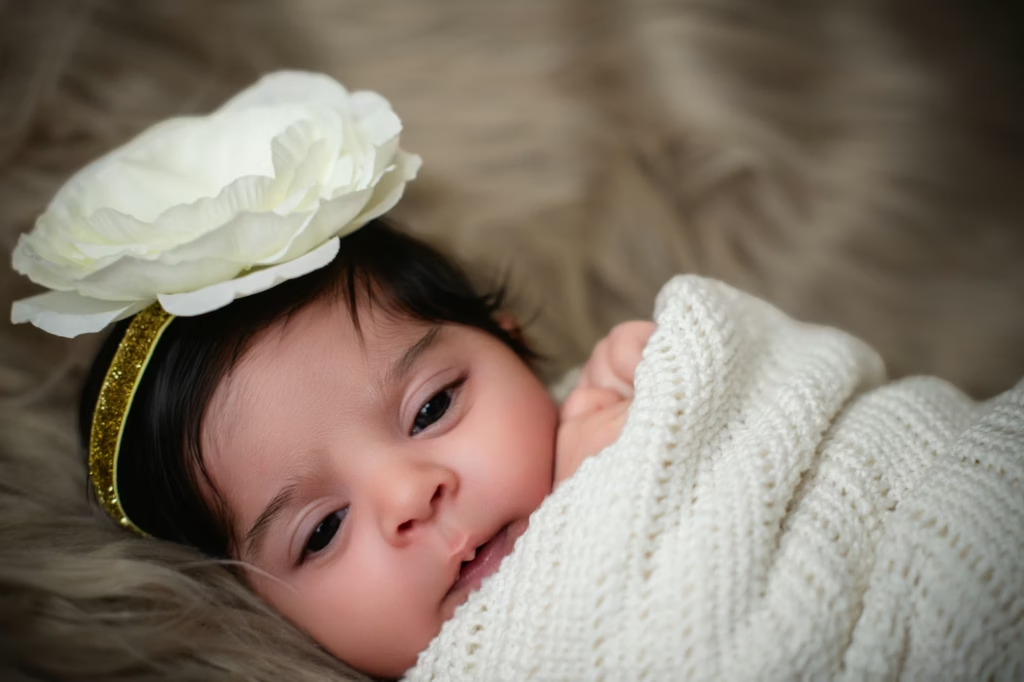
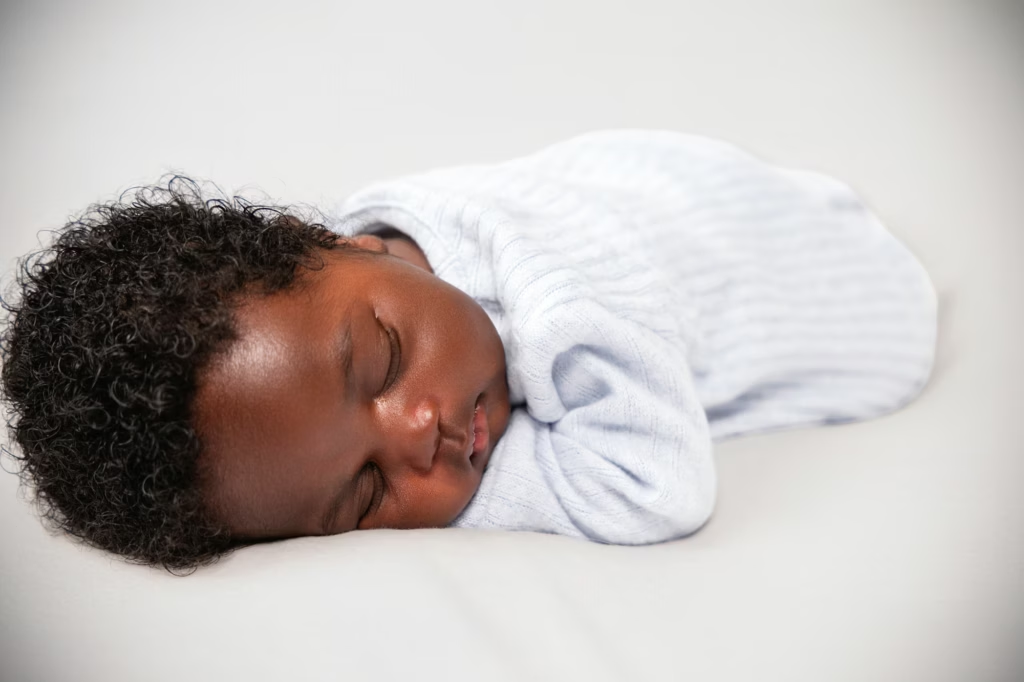
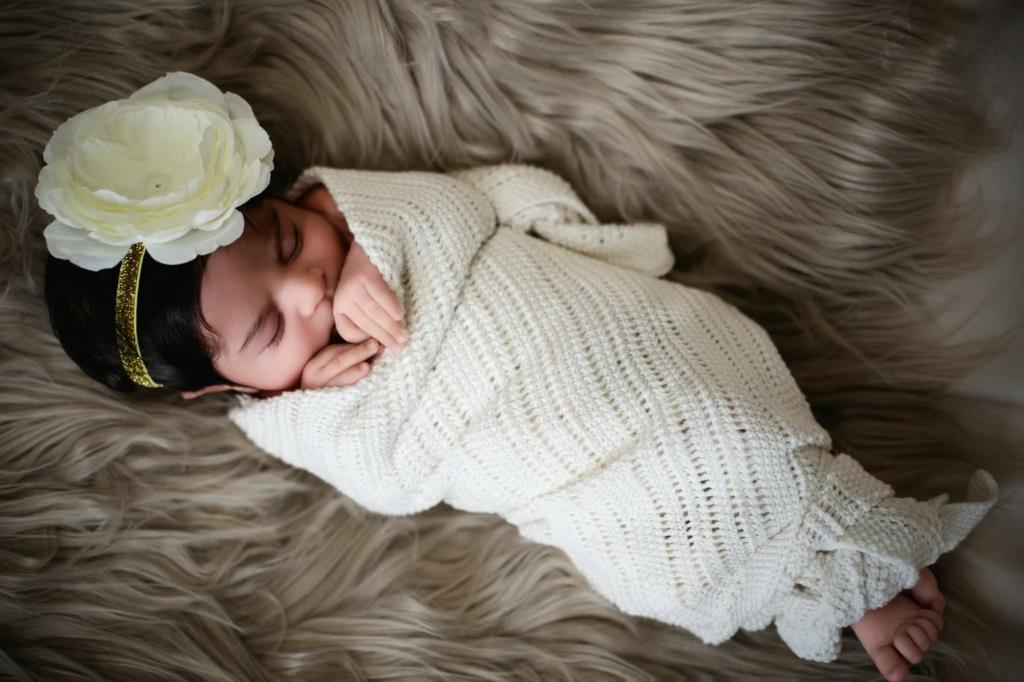
Included with every session of two hours or more
This gallery is yours — free for two years.
Every Opus Lumière session of two hours or more includes your own private 3D gallery like this one — walk through it, share the link with family anywhere, and revisit it whenever you like. Book another session and it grows a new floor and renews for another two years, so it keeps growing with your family. As far as we’re aware, no other photographer in the world gives their clients a private 3D gallery to wander.
- Free for two years
- Private & password-protected
- A new floor with every shoot
Kind words
Loved by London parents
“The attention to detail and artistry in our newborn photos is remarkable - heirloom-quality images that will be passed down for generations.”
 Nida
Nida“Opus Lumière’s work is timeless - photos that will last a lifetime.”
 Umeeta & Vivek
“Joy and Annie absolutely nailed it. They made sure we felt seen and heard - it made all the difference.”
 Kanishk
The room
Warmth, hygiene and feeding
Newborn babies lose heat quickly and cannot yet regulate their body temperature well, and they are usually unclothed or lightly wrapped for a session, so temperature control matters: the room runs warm - warmer than is comfortable for the adults in it, which is the usual sign you have got it right. A thermometer is more reliable than a thermostat, and layers you can shed are a sensible thing to bring.
Hygiene is simple and non-negotiable: hands washed before handling, wraps and blankets clean and used once, and anyone who is unwell staying away. A clean, warm environment is the baseline. If we are ill, we move the session at no cost to you. If anyone in your home is unwell, tell us as early as you can — our usual rescheduling terms apply, and you get priority when we rebook. A newborn shoot is one of the few appointments where rescheduling is unambiguously the right call.
Feeding is not an interruption. Babies settle best on a full stomach, and the sleepy stretch after a feed is when the calmest photographs happen. Sessions are booked with that built in, to ensure nobody is ever rushed, which is why they run as long as they do.
Handling
Support, spotting and props: never leaving a baby alone
A newborn on a beanbag, in a basket or on any raised surface is never left unattended - not for a moment, and not to fetch something from the other side of the room. We ensure a hand is on or beside the baby the whole time. This is the rule that matters most, because it covers the situation in which almost every real incident occurs.
Where a pose needs more than one pair of hands, it gets them - that is what safe posing techniques mean in practice. A parent is often the best spotter in the room: you already know how to hold your baby, and you are already watching. Being asked to place a hand just outside the frame is not the photographer being casual - it is the pose being done properly.
Movement between poses is slow and deliberate. Newborns startle, and a startled baby is a session that has to pause. Transitions done gently are one of the least visible parts of a good session and one of the biggest differences between a calm hour and a difficult one.
Choosing
Questions worth asking any newborn photographer
Ask how the posed images in the portfolio were made. You are looking for a straightforward explanation of compositing, not vagueness.
Ask who else will be in the room, and whether you will be asked to help support your baby. The right answer involves you rather than excluding you.
Ask what happens if the baby will not settle, arrives early, or is unwell. A photographer who has thought about it will describe a plan; one who has not will reassure you that it never happens.
Ask whether the photographer holds public liability insurance, and what newborn safety training they have done. Knowledge of newborn posing comes from training and repetition; a professional newborn photographer will have both and will not mind being asked.
Ask how long the session runs. An hour is not long enough for a posed newborn session done at the baby’s pace, and a photographer offering only that is telling you something about how the session will go.
Settings
Safety at home and in the studio
A studio makes warmth and light easy to control, and everything in the room is there because it was chosen for newborn work. The trade-off is the journey, which for a baby a few days old is the least appealing part of the day.
At home removes the journey entirely and lets the session happen around your own routine, which for many families is the deciding factor. The safety and comfort principles do not change: the same warmth, the same hands, the same refusal to leave a baby on a raised surface. We work with the space and light you have, and bring what the session needs.
Neither setting is safer than the other. What makes a session safe is how it is run, not where - and knowing that should give you peace of mind whichever you choose.
Good to know
Newborn photography safety FAQ
Can I stay in the room throughout?
Always, and we would rather you did. Parents are often the second pair of hands, and no part of the session requires you to be elsewhere.
Is my baby too old for a newborn session?
Past about three weeks babies are more awake and less easily curled, so the session changes character rather than becoming impossible. It becomes more about the two of you together and less about posed sleeping.
What about premature babies or babies with medical needs?
We follow whatever your midwife, health visitor or doctor advises, and plan the session around it. If you are unsure whether a session is appropriate yet, ask them first - that is a question for a clinician, not a photographer.
Do you use props the baby is suspended in?
Only in the way described above: supported by an adult throughout, with the support removed afterwards in editing. Nothing ever bears a baby’s weight on its own.
What if my baby is unsettled the whole time?
Then the session runs longer and we work with what we get. Awake newborn photographs are lovely in their own right, and no baby is ever pushed into a pose to complete a set.
Should I feed before we start?
Yes, and again during the session whenever your baby needs it. There is time built in for exactly that.
How late can you do a newborn photo shoot?
There is no cut-off. The sleepy, curled photographs are easiest in the first two weeks; from three or four weeks the session becomes awake, expressive and more about the two of you. Safety does not change with age - the same support, the same warm room, the same refusal to force a pose.
What should parents wear to a newborn photo shoot?
Plain, soft tops in neutral or muted colours - cream, grey, oatmeal, soft blue - with no logos or busy patterns, and layers you can shed, because the room is kept warm for the baby. Bare arms photograph beautifully when you are holding your newborn skin to skin.
What should I avoid in newborn photos?
Anything that leaves the baby unsupported: props they are balanced in or on, raised surfaces with nobody within arm’s reach, and poses copied from the internet without knowing they are composites. Avoid a cold room, strong scents on wraps, and anyone unwell handling the baby - and never force a pose a settled baby resists.
Next
Reading on, and booking a session
If you are planning a session, our newborn photography page sets out how a session runs, and the newborn pricing page lists every package with its length and image count. Sessions can be photographed in the studio or at home.
If you are still choosing a photographer, take the questions above to whoever you are considering. The answers will tell you more than any portfolio.