

Family · What to wear · London
What to Wear for a Family Photoshoot
A practical guide to dressing a family for the camera - colour, texture, children, and the handful of things that actually go wrong.
Every session of two hours or more includes a private, password-protected 3D virtual gallery you can share with family — free for two years, with a new floor for each shoot.
★ 5.0 on Google from 21 client reviews · 15 five-star reviews on Trustpilot


Joy or Annie will call you back within one working day — a ten-minute chat, no obligation.
Coordinate. Do not match.
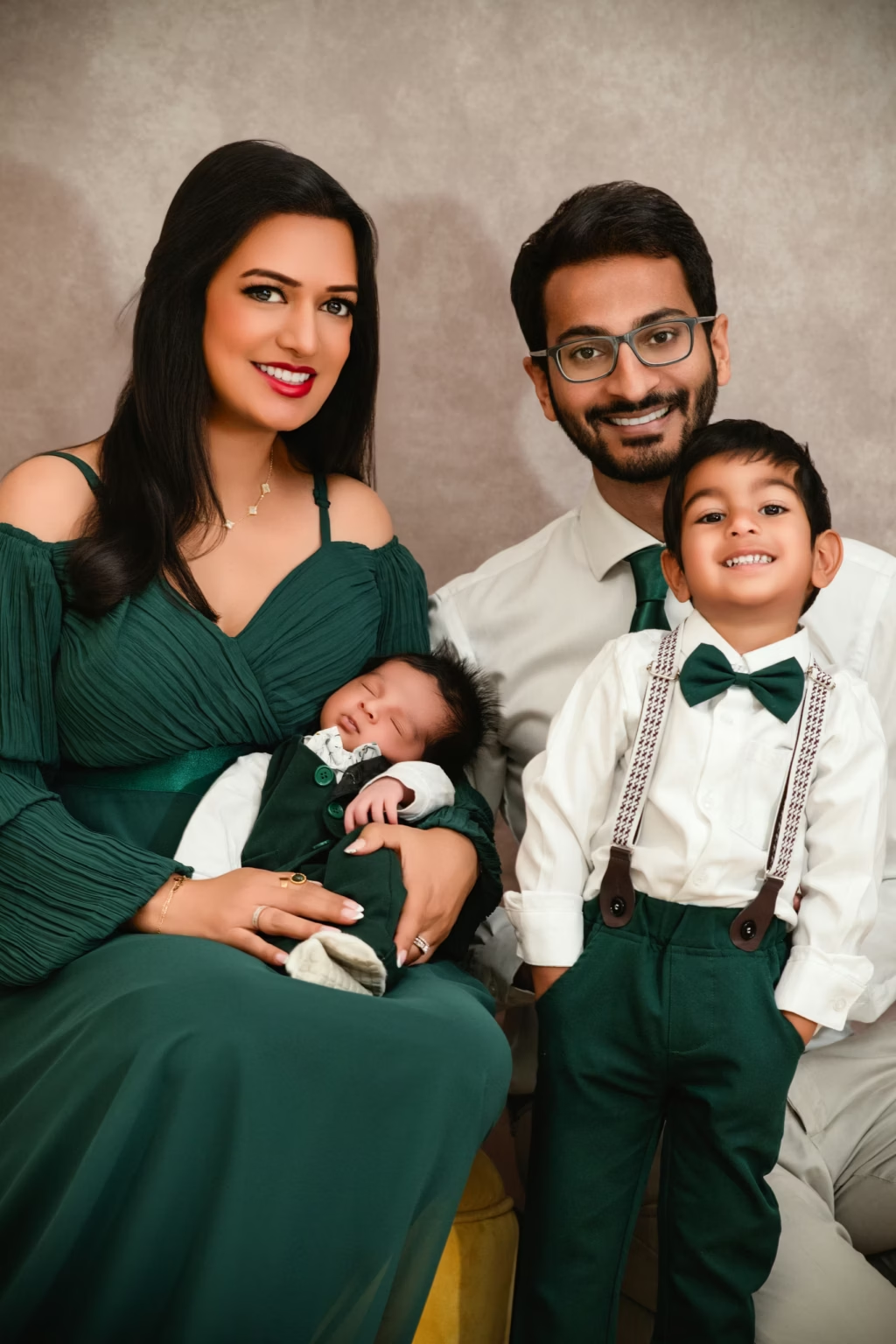
If you take one thing from this page, take that. Matching outfits date faster than anything else in a family photograph, and they flatten everyone into a uniform. Coordinating - a shared palette, different pieces - does the same job of making the family look like a family, and it still looks right in fifteen years. So here is what to wear: family photoshoot outfits that coordinate without matching, colour by colour, to help you decide.
Quick Answers
What to Wear at a Glance
Do I get a 3D virtual gallery with my session?
Yes - every Opus Lumière session of two hours or more includes The Growing Gallery, a private, password-protected 3D gallery of your finished photographs that you walk through and share with family. It is free for two years and gains a floor with every shoot. One-hour and 1.5-hour sessions don’t include it.
What should we wear for a family photoshoot?
Choose two or three colours that sit well together and let each person wear a different combination of them. Avoid matching outfits, large logos and busy patterns. Comfort matters more than formality, especially for children.
Should we all wear the same colour?
No. Same palette, different pieces. Identical outfits make a family look staged and date the photographs badly.
What colours photograph best?
Muted, slightly desaturated tones - sage, stone, navy, cream, rust, soft blues. They sit together easily and keep attention on faces rather than clothes.
Can we wear patterns?
One patterned piece across the whole group works well as a starting point. Several competing patterns pull the eye away from everyone’s faces.
What should the children wear?
Whatever they can move in without noticing. A child adjusting an uncomfortable collar is the single most common reason a frame does not work.
Does it change for a studio session?
Slightly. Studio backgrounds are plain, so clothes carry more of the frame and texture matters more. Outdoors the setting does some of that work for you.
The principle
Think coordinated, not matching
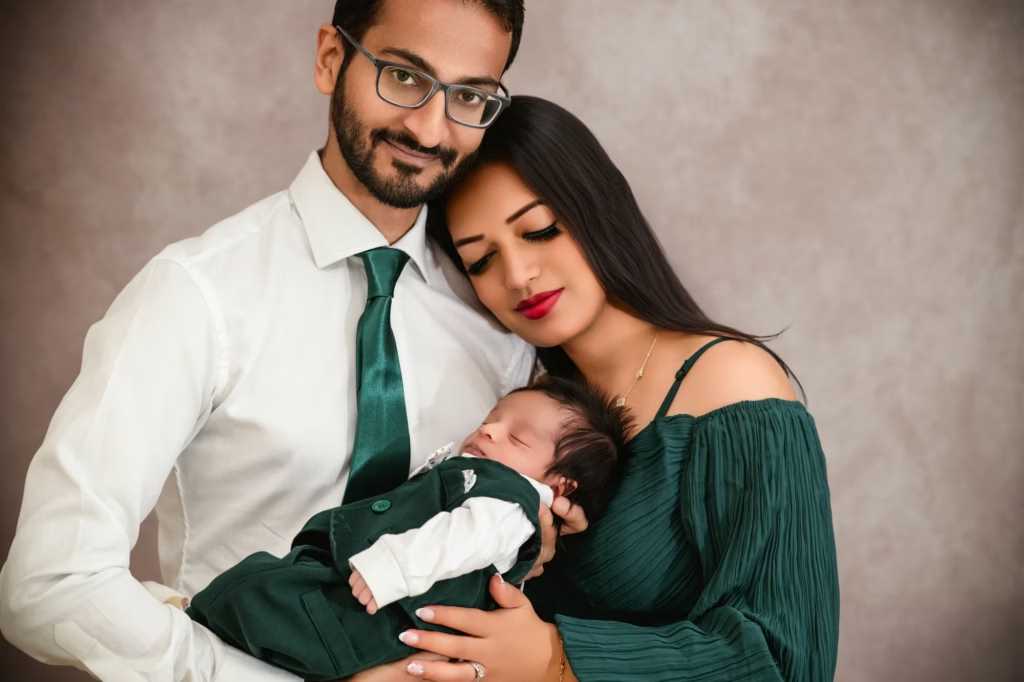
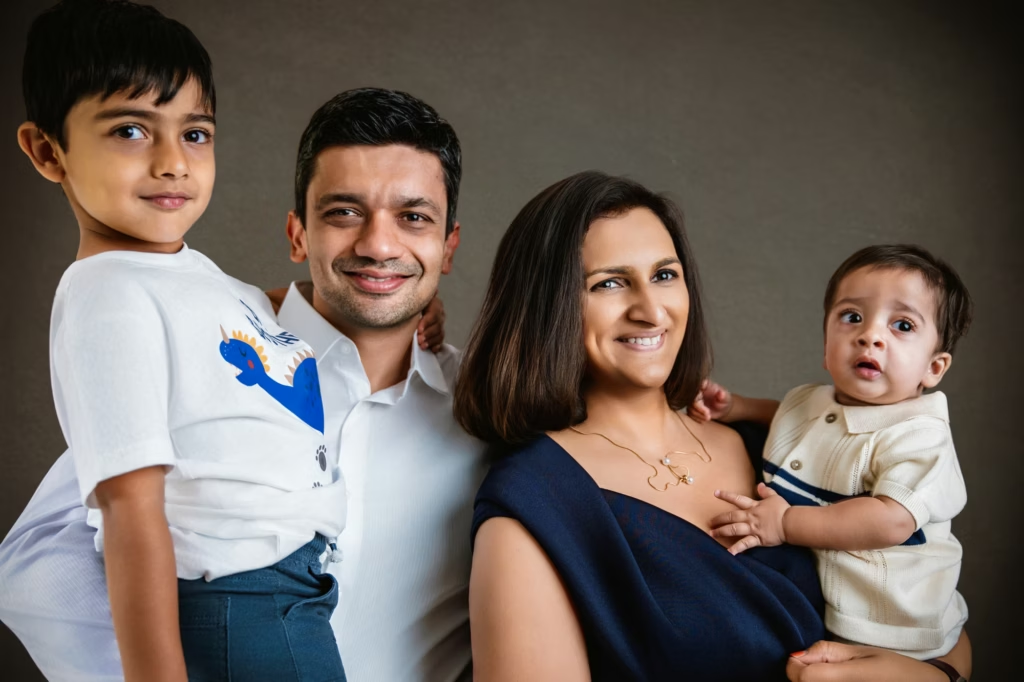
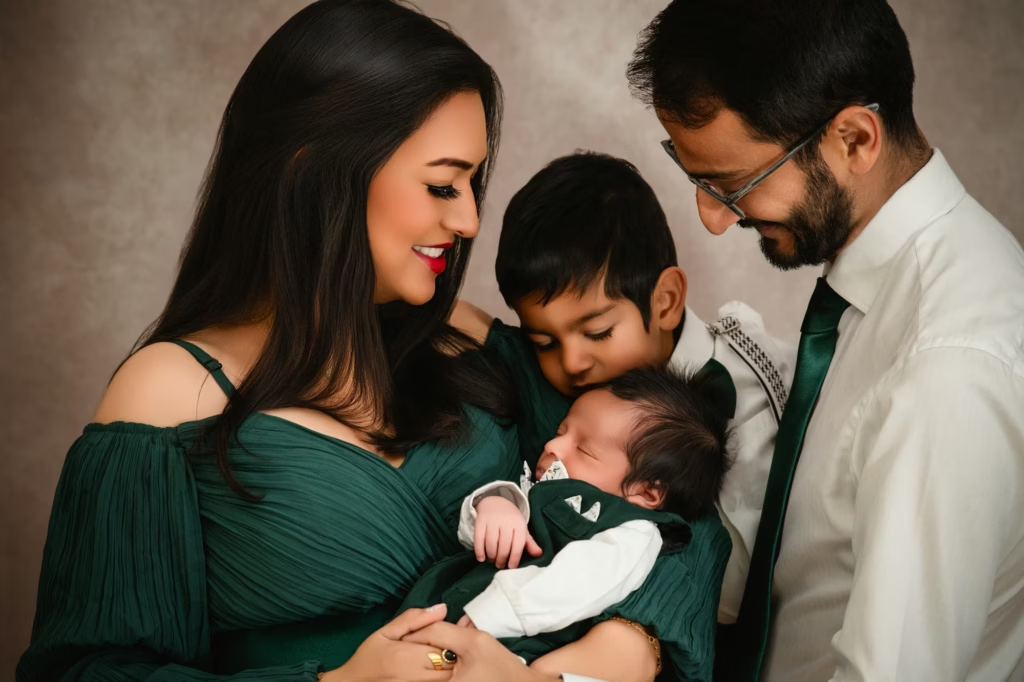
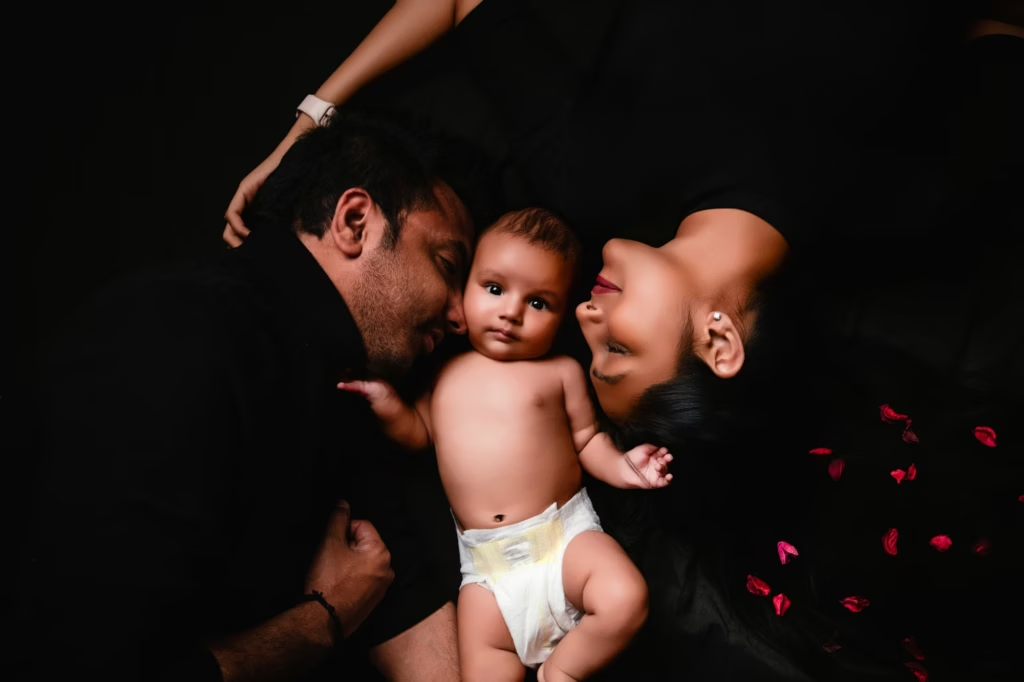
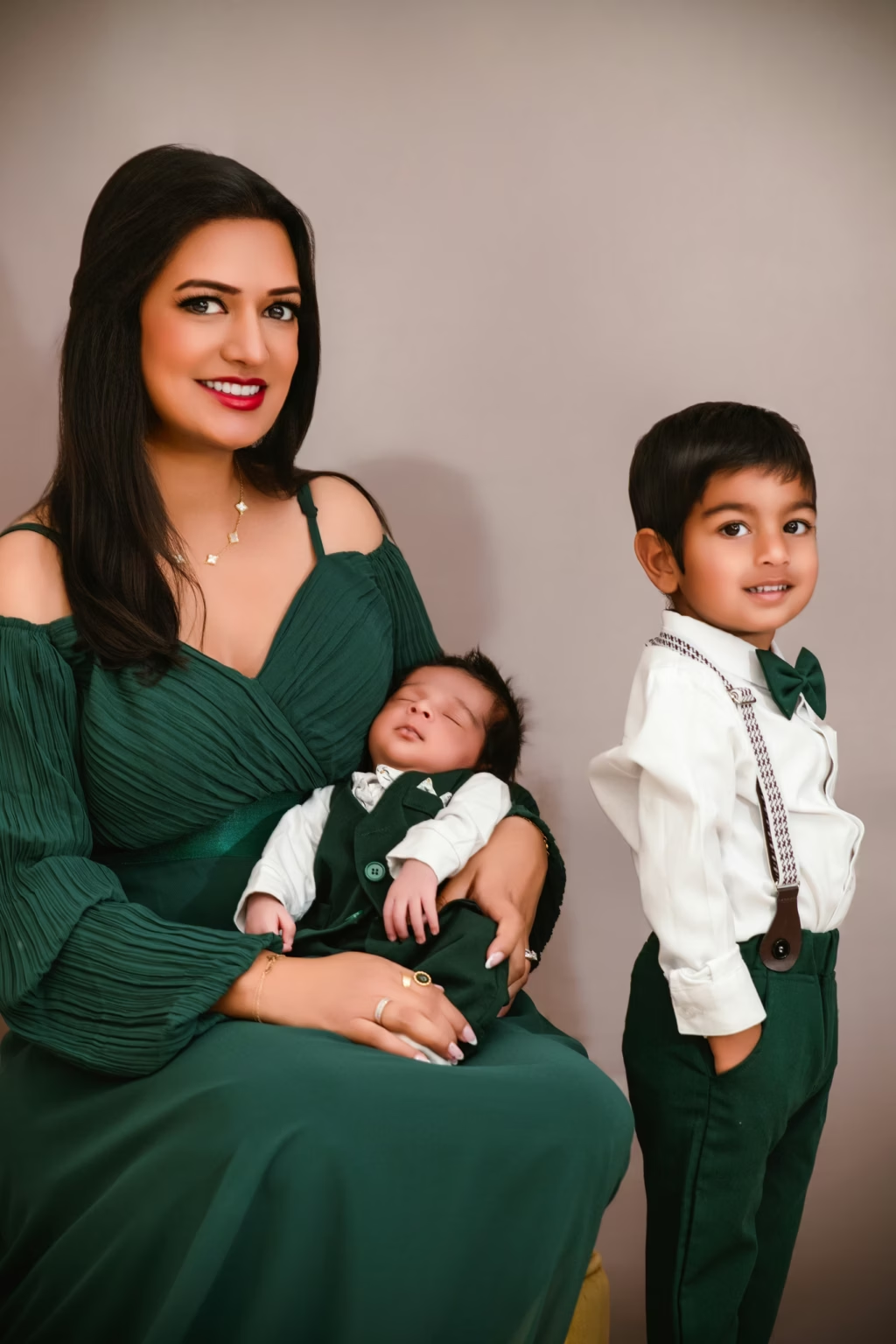
The aim is that the family reads as a group without anyone disappearing into the others. The simplest method is to choose a palette of two or three colours plus a neutral, and give each person a different arrangement of them - one in the navy, one in the cream with navy detail, one in the stone.
Start with one person and build outwards. Pick the outfit you are most attached to, usually a dress or a jacket someone loves, take the colours out of it, and dress everyone else from that. This is far easier than trying to design five outfits at once for a family shoot, and it produces a more natural result.
Leave one person slightly brighter than the rest if you want a focal point - often the youngest, who tends to end up in the middle of the frame anyway. It is a little thing that gives the photographs a centre.
Included with every session of two hours or more
This gallery is yours — free for two years.
Every Opus Lumière session of two hours or more includes your own private 3D gallery like this one — walk through it, share the link with family anywhere, and revisit it whenever you like. Book another session and it grows a new floor and renews for another two years, so it keeps growing with your family. As far as we’re aware, no other photographer in the world gives their clients a private 3D gallery to wander.
- Free for two years
- Private & password-protected
- A new floor with every shoot
Kind words
Loved by London families
“Joy and Annie absolutely nailed it. From the moment we arrived to the last click, they made sure we felt seen and heard.”
 Kanishk
“Our family photos turned out beautifully, and the experience was so relaxed. The results exceeded our expectations.”
 Snigdha & Rahul
“Their artistic vision and impeccable attention to detail left us with breath-taking images that will last a lifetime.”
 Dhara
DharaColour
Colours: building a palette that photographs well
Muted tones photograph more kindly than saturated ones. Sage, stone, oatmeal, navy, dusty blue, rust and soft charcoal - earthy tones, mostly - all sit together without competing, and none of them will look like a particular year when you come back to the pictures.
Very bright and neon colours reflect onto skin, particularly under strong sun and in the studio, and a vivid red or lime green can throw a colour cast onto the face next to it. If someone loves a bright piece, use it as the single accent rather than the base.
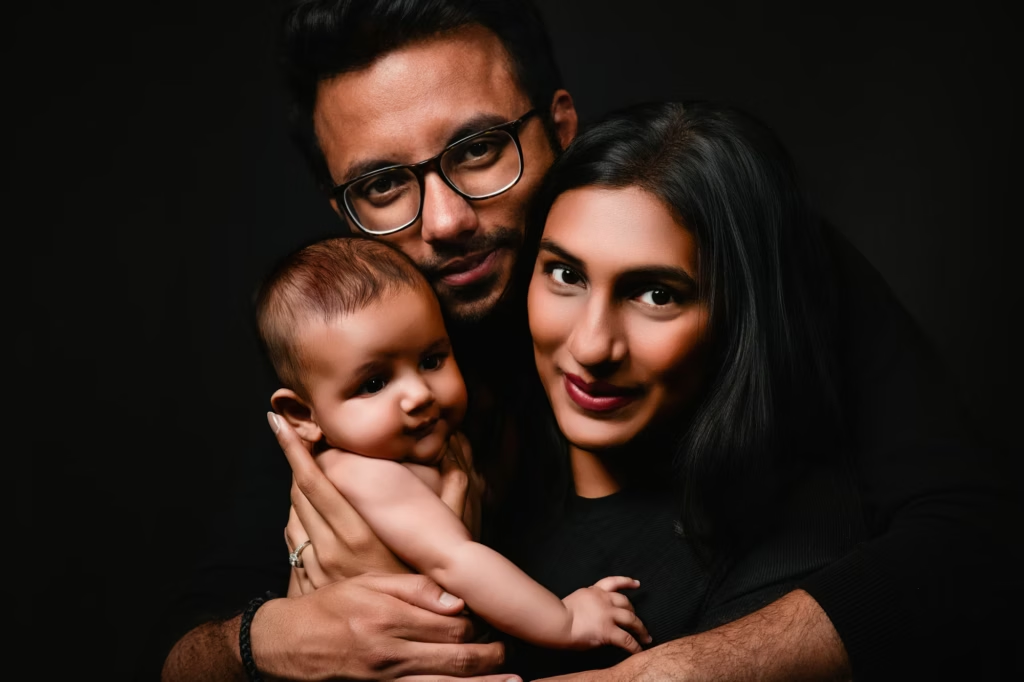
All-black and all-white are both harder than they look. Black loses shape and detail in low light, and white can pull the eye away from faces. Both work when they are deliberate and balanced with texture; neither works well as a default.
Denim is the most forgiving thing most families own. It reads as a neutral, it goes with almost every palette, and nobody is uncomfortable in it.
Texture
Texture, pattern and layers to add interest
Texture is what stops a coordinated group looking flat. Knitwear, linen, corduroy, a chunky cardigan or a soft wool blanket all add depth without adding colour, and they matter more in the studio, where the background is plain and the clothes carry the frame.
On pattern: one patterned piece in the group is a good anchor. Two can work if they share a colour and differ in scale. Three or more and the photographs start to feel busy no matter how good the light is.
Layers earn their place for two reasons. They give the photographs variety without a full change of outfit - a cardigan on, a cardigan off - and outdoors they let you adjust as the temperature drops, which it always does in the last half hour of the good light. If you have not chosen a spot yet, our guide to family photoshoot locations in London pairs each park with the light it gets.
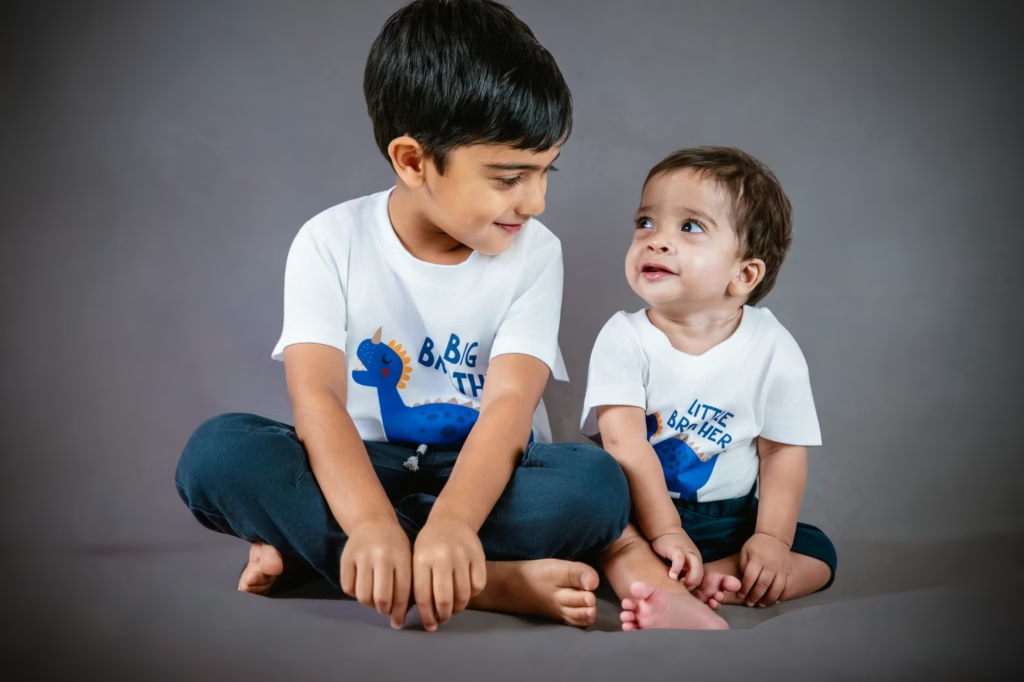
Avoid large logos, slogans and cartoon characters. They date a photograph instantly and draw the eye every time.
Children
Comfortable children: dressing them, and what actually goes wrong
Comfort beats everything. A stiff collar, a scratchy jumper or shoes that pinch will decide how a child behaves for the next two hours, and no amount of direction undoes it. If something might be new, have them wear it once beforehand so they feel comfortable in it.
Bring a spare set for anyone under five. Something will be spilled, and having a second option means the session continues rather than ending early.
Let older children have a say. A child wearing something they chose stands differently - and feels confident - compared with one who was put in an outfit, and it shows in every frame.
Check shoes and socks. They are the most commonly forgotten part of an outfit and they appear in every full-length photograph. Bare feet are lovely for babies and toddlers indoors.
And do the hair before you leave rather than in the car. Simple almost always photographs better than elaborate.
Settings
What to wear: family photoshoot outfits for the studio, outdoors and at home
In the studio the background is plain and controlled, so clothes and texture do more of the work. Mid-tones and layered textures suit it best, and this is where a considered palette pays off most.
For outdoor sessions the setting brings its own colour. Greens dominate in spring and summer, warm browns and golds in autumn, and muted earth tones sit inside both. Add layers and sensible shoes.
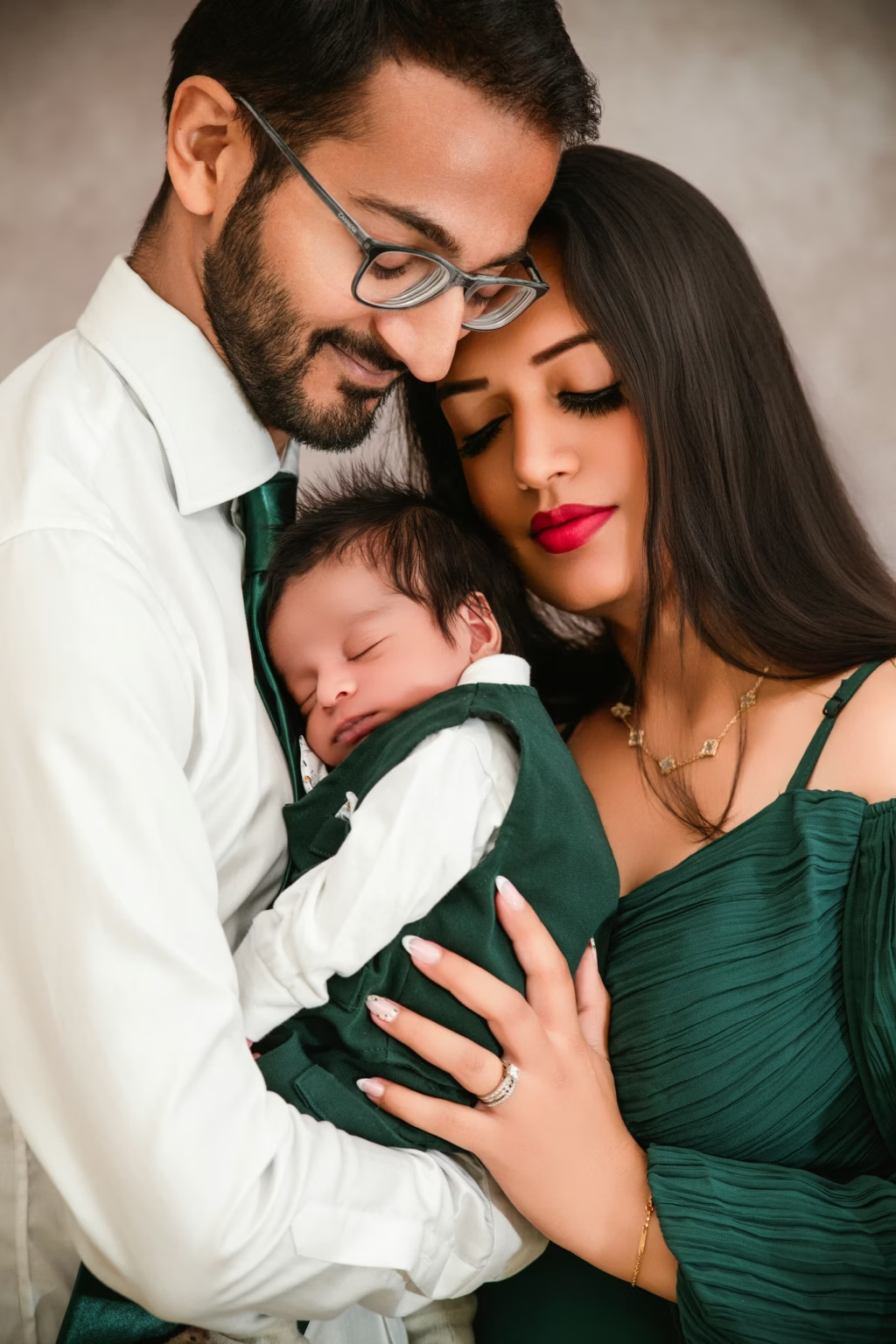
At home the room is part of the picture. Look at the colours already in the space you will be photographed in, and dress with them rather than against them - soft, comfortable and unfussy suits an at-home session better than anything formal. The same goes for a newborn photoshoot, where soft neutrals on the parents keep the baby the focus.
Good to know
What to wear FAQ
How formal should we be?
As formal as feels like you. Families who dress up for the camera often look slightly uneasy; families who wear a good version of what they normally wear look like themselves.
Can we change outfits during the session?
Yes, on a family session of two hours or longer. One change is usually plenty - a different outfit for the youngest, layers for everyone else - and layers achieve much of the same effect without the time.
What about glasses?
Wear them if you wear them - they are part of your face. We angle to manage reflections rather than asking you to take them off.
Do you provide outfits?
No, we do not provide clothing. We do advise on colours and combinations before the day, and feel free to send photographs of options.
What if someone refuses to wear what we planned?
Work with it rather than against it. A compromise outfit and a happy person beats the perfect palette and a sulk in every single frame.
When should we decide?
A week or so before, so there is time to try things on and swap anything that does not work.
What to avoid wearing for a photo shoot?
Neon colours, large logos, slogans and cartoon characters; several competing patterns; anything that pinches, itches or needs adjusting; and a white dress on its own against a white studio wall. Keep the palette muted, the pieces comfortable and the eye on the faces.
What is the 3-3-3 rule for clothes?
It is a capsule-wardrobe idea - three tops, three bottoms and three pairs of shoes that all mix - rather than a photography rule, but it translates well: pick three colours, three textures and three pieces you love, and let everyone in the family wear a different combination of them.
Next
Booking your session
Session lengths, image counts and prices for the studio, outdoors and at home are on the family pricing page. If you are still choosing a setting, family photography in London covers all three.